
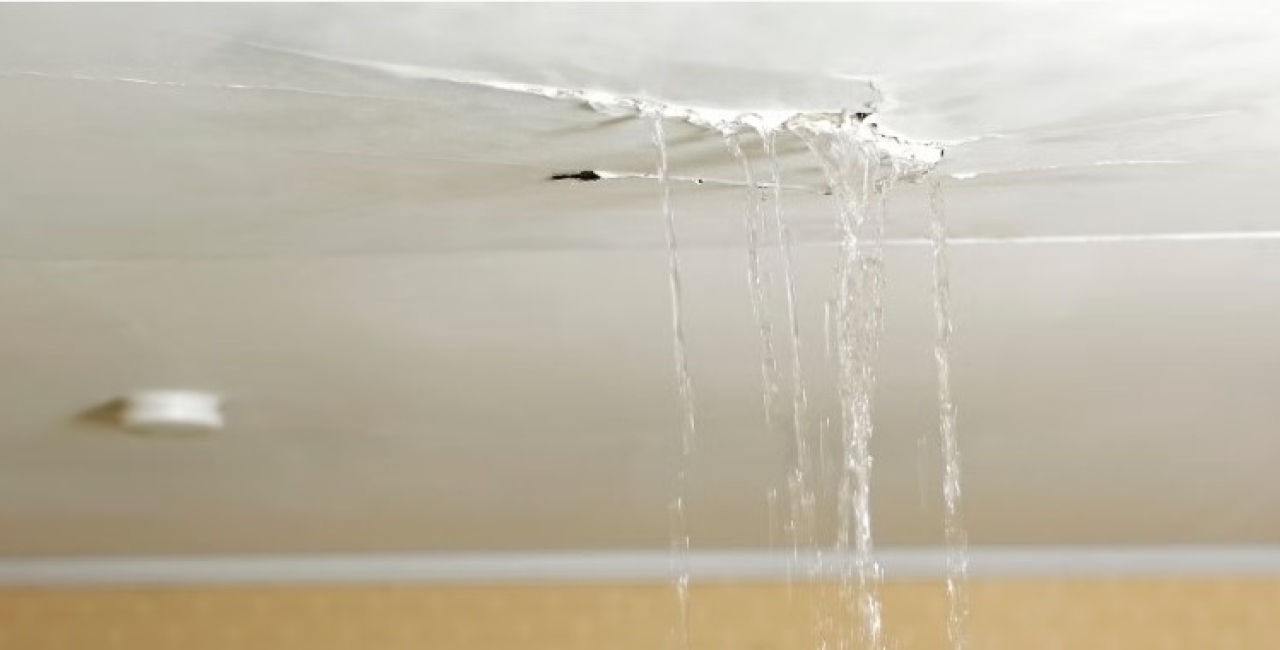
If you live in a condo or apartment, you probably know this nightmare, brown stains on your ceiling or water dripping from the lights.
Your first instinct might be to call your insurance agent… but hold on! ⚠️
Claiming the wrong policy can lead to rejection and even higher premiums next year.
🏢 Two Types of Fire Insurance You Need to Know
1️⃣ Building’s Fire Insurance (Master Policy)
Taken by the JMB/MC for the entire building:
🔸️ Covers structure and common areas such as concrete, walls, built-in pipes, and wiring.
2️⃣ Your Own Fire Insurance (Houseowner/Householder Policy):
🔸️ Purchased by you for your individual unit. Covers renovations and personal belongings such as flooring, cabinets, furniture, appliances.
💡 The Golden Rule: Claim Against the Source
If the leak starts from a common area, it’s the building’s insurance
.
If it starts from your neighbour’s unit, it’s their insurance, not yours.
✅ Example 1: Common Property Leak
A pipe inside the wall bursts and damages your ceiling.
➡️ Responsible: Building’s Fire Insurance (JMB/MC claim).
✅ Example 2: Neighbour’s Overflowing Toilet
Your neighbour’s toilet floods your bathroom.
➡️ Responsible: Neighbour’s policy.
If they’re uninsured or uncooperative, report it to the JMB/MC. They can assist or recover the cost later.
🧭 What To Do Next
1️⃣ Stay calm & gather evidence (photos, videos).
2️⃣ Report to JMB/MC immediately.
3️⃣ Talk, don’t argue with your neighbour.
4️⃣ Ask your agent for advice, not a claim unless confirmed it’s your responsibility.
🏠 Key Takeaway
For inter-floor leaks, start with the Building’s Fire Insurance, not your own.
Claiming your policy for something that isn’t your fault only costs you more later.
Be informed, not impulsive. It willl save you money and stress.