
No item found!

Recently, enforcement actions tell a different story. Even high-value vehicles are being towed because of expired road tax or lapsed insurance. It is a reminder that compliance is not about the price of your car, it is about responsibility.
Renewing on time does three important things:
1️⃣ Keeps you legally compliant
2️⃣ Protects you financially in the event of an accident
3️⃣ Gives you peace of mind every time you get behind the wheel
A single oversight can result in fines, vehicle seizure, and significant out-of-pocket costs far more than the renewal itself.
As drivers, business owners, and parents, we manage many priorities. However, this is one area where a simple calendar reminder can save you from unnecessary stress.
If your policy or road tax is due soon, take five minutes today to check.
Stay compliant. Stay protected. Drive with confidence.
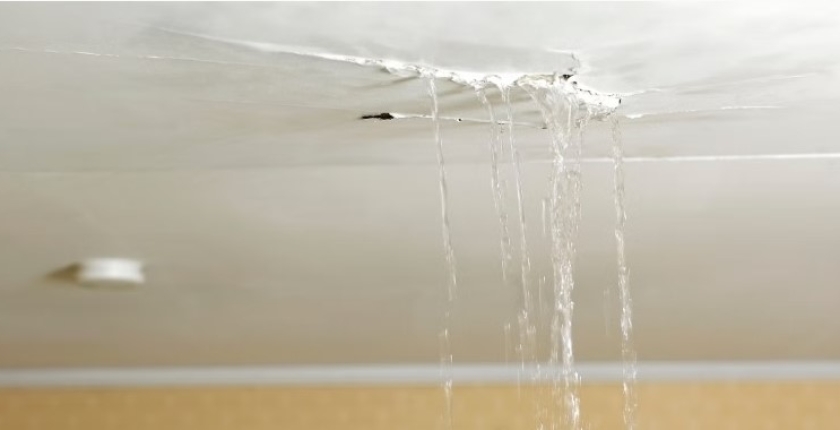
If you live in a condo or apartment, you probably know this nightmare, brown stains on your ceiling or water dripping from the lights.
Your first instinct might be to call your insurance agent… but hold on! ⚠️
Claiming the wrong policy can lead to rejection and even higher premiums next year.
🏢 Two Types of Fire Insurance You Need to Know
1️⃣ Building’s Fire Insurance (Master Policy)
Taken by the JMB/MC for the entire building:
🔸️ Covers structure and common areas such as concrete, walls, built-in pipes, and wiring.
2️⃣ Your Own Fire Insurance (Houseowner/Householder Policy):
🔸️ Purchased by you for your individual unit. Covers renovations and personal belongings such as flooring, cabinets, furniture, appliances.
💡 The Golden Rule: Claim Against the Source
If the leak starts from a common area, it’s the building’s insurance
.
If it starts from your neighbour’s unit, it’s their insurance, not yours.
✅ Example 1: Common Property Leak
A pipe inside the wall bursts and damages your ceiling.
➡️ Responsible: Building’s Fire Insurance (JMB/MC claim).
✅ Example 2: Neighbour’s Overflowing Toilet
Your neighbour’s toilet floods your bathroom.
➡️ Responsible: Neighbour’s policy.
If they’re uninsured or uncooperative, report it to the JMB/MC. They can assist or recover the cost later.
🧭 What To Do Next
1️⃣ Stay calm & gather evidence (photos, videos).
2️⃣ Report to JMB/MC immediately.
3️⃣ Talk, don’t argue with your neighbour.
4️⃣ Ask your agent for advice, not a claim unless confirmed it’s your responsibility.
🏠 Key Takeaway
For inter-floor leaks, start with the Building’s Fire Insurance, not your own.
Claiming your policy for something that isn’t your fault only costs you more later.
Be informed, not impulsive. It willl save you money and stress.
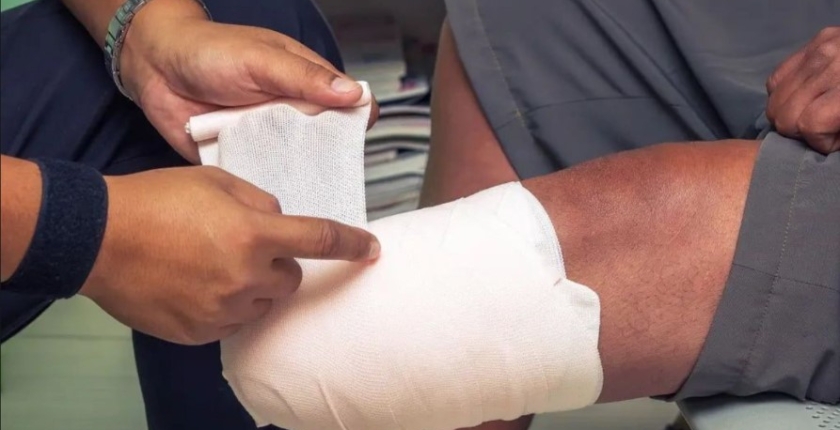
A Malaysian High Court recently awarded RM7.4 million in damages to a young man who lost his hand and leg following negligent medical treatment at a government hospital. It stands among the largest medical negligence compensations in our country’s history.
Beyond the emotional and human cost, this case underscores a pressing reality: professional errors can have life-altering consequences, both for the victim and the professionals involved.
In high-stakes professions such as medicine, law, and finance, Professional Indemnity (PI) insurance is not just a regulatory requirement, it is a critical safeguard. It protects practitioners from the financial fallout of legal claims arising from errors, omissions, or negligence in the course of duty.
This case is a reminder that:
🔹 accidents can happen even with the best intentions,
🔹 legal and compensation costs can be overwhelming,
🔹 proper coverage ensures professionals can continue serving without financial ruin.
At CAPS Wealth Management, we continuously advocate for greater awareness of PI coverage, as itis not just as a form of protection, but as a pillar of professional integrity and accountability.
Because in any profession, trust is built not on perfection, but on preparedness.

If you have ever bought professional liability or E and O insurance, you have probably seen the term Retroactive Date.
It sounds technical, but in reality it is your policy’s time machine.
Get it right, and you are protected.
Get it wrong, and one past mistake can become a very expensive lesson.
🔍 So… what exactly is a Retroactive Date?
It is simply the earliest date your insurer agrees to cover your past work.
🔸️Work done after this date: Covered.
🔸️Work done before this date: Not covered.
This one date acts as a wall between your insured and uninsured past.
🧠 A Simple Example
You start a policy on 1 January 2024 with a retroactive date of 1 January 2023.
✅️ A 2024 claim for work done in March 2023 → Covered.
❌ A 2024 claim for work done in **December 2022 → Not Covered.
Same year, same client, but the date changes everything.
💡 Why This Date Is a Big Deal
E and O claims often do not appear immediately. A mistake today might only surface years later.
Here is the most important part:
If you ever allow your policy to lapse, even for a short time, your retroactive date resets. All the work you did before the new date becomes permanently uninsured.
Many professionals do not realise this risk until it is too late.
📌 What Every Policyholder Should Always Do
1. Know your retroactive date
Find it on your declarations page. It is one of the most important numbers in your entire policy.
2. Never allow your coverage to lapse
Not even for a month. Not even temporarily while you shop for new quotes. lapse means a new date and a gap in protection for all your past work.
3. Ask for prior acts coverage when switching insurers
This ensures the new insurer honours your previous retroactive date.
Without this, you are effectively leaving your history uninsured.
4. Always ask these two questions:
🔹️What will my retroactive date be.
🔹️Will it match my current retroactive date.
If the answer is no, you must understand the extent of the risk.
🤝 What Your Agent Must Do
A responsible agent should:
✅️ Explain the retroactive date clearly
✅️ Highlight it in all quotes and all final policies
✅️ Warn you explicitly if a new policy gives you a later date
✅️ Help you transition between insurers with zero gaps in coverage
This is not a small detail. It is a fundamental part of their professional duty.
🔚 Final Thought: Alignment Protects You
Your retroactive date is not a technical clause that you can ignore.
It is the foundation of your professional protection.
When you understand it, and your agent communicates it clearly, you safeguard the work you have already completed and the future you are still building.
Your future self will thank you.

Malaysia’s open-door policy is paying off in a significant way. According to Housing and Local Government Minister Nga Kor Ming, foreign residents are contributing over RM84.2 billion annually, with a substantial portion coming from property purchases.
This is not only about numbers. It is also about how Malaysia is perceived on the world stage. The country is becoming a preferred destination not only for tourism but also for investment, property development, and higher education.
📈 In 2024 alone:
🔲 tourism generated RM291.9 billion, contributing 15.1% to the national economy;
🔲 inbound tourism increased by 41.1%, reaching RM107 billion;
🔲domestic tourism grew by 25.1%, valued at RM98.4 billion.
It is clear that Malaysia is on the rebound, and the world is taking notice.
With more international residents choosing Malaysia as their base, investing in property, lifestyle, and long-term living, the demand for property is set to increase further.
🏡 For Malaysians who aspire to own their dream home, this may mean:
🔶 increased competition in the housing market, particularly in urban and high-demand areas;
🔶 upward pressure on property prices, which could make affordability a growing concern;
🔶 greater opportunities for developers, which may result in more luxury and internationally oriented projects, sometimes at the expense of local affordability.
The challenge ahead will be to balance Malaysia’s global appeal with the need to ensure that ordinary Malaysians continue to have fair access to liveable and affordable homes.
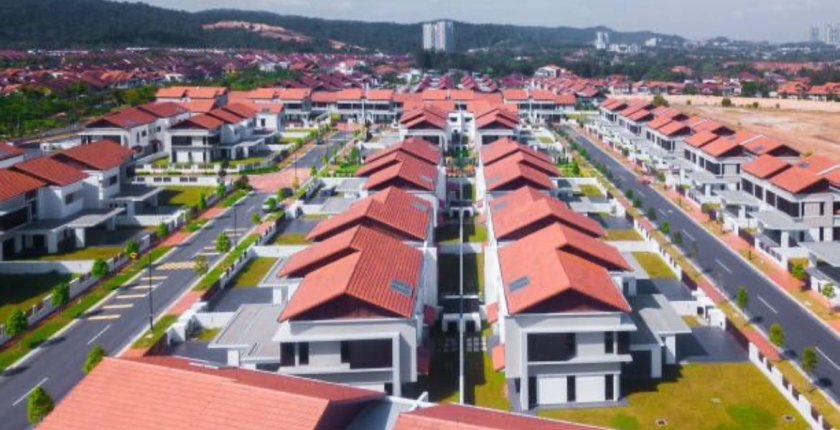
Malaysia’s property market is set for moderate growth in 2026, with residential prices expected to rise 2 to 4%. Developers are launching fewer projects, which is helping stabilise prices but also reflects caution due to rising construction and material costs.
Affordability remains the biggest hurdle, even with the recent OPR reduction aimed at easing borrowing costs. At the same time, infrastructure continues to be a major catalyst, especially in key growth pockets such as:
🔹 Johor, driven by the RTS link
🔹 Select Klang Valley LRT/MRT corridors
Overhang issues persist for completed units, but serviced apartment supply is improving.
Where opportunities lie:
🔹 Affordable housing and mass-market projects
🔹 Transit-Oriented Developments (TODs)
🔹 Established areas with new strategic developments.
What to watch:
🔹 High construction costs
🔹 Affordability pressures
🔹 Interest rate changes
Overall, the market is steady with targeted upside. In 2026, location, connectivity, and long-term fundamentals will matter more than ever.
