
No item found!

Fire insurance is a specialized form of property insurance designed to protect individuals, businesses, and organizations against financial loss caused by fire and related perils. Below is a clear breakdown of its core goals and purposes:
1. Primary Goal
The main objective is to indemnify the insured—meaning to restore the insured to the same financial position they were in before the fire loss, without allowing profit from the damage.
2. Key Purposes
Financial Protection & Risk Transfer
- Shifts the risk of catastrophic fire damage from an individual or business to an insurance company.
- Covers the cost of repairing or rebuilding buildings, replacing contents, inventory, machinery, and other insured assets.
Business Continuity
- Helps businesses resume operations quickly after a fire.
- Many policies include business interruption coverage, compensating for lost income, ongoing expenses, and rent during the shutdown period.
Stability for Individuals & Families
- Protects homeowners and tenants from losing their homes, personal belongings, or life savings due to fire.
- Prevents forced displacement or bankruptcy from unplanned rebuilding costs.
Support for Recovery
- Covers related expenses such as debris removal, firefighting costs, and temporary accommodation.
- May extend to damage from smoke, water used to extinguish fire, explosions, lightning, and other allied risks.
Promoting Fire Prevention
- Insurers often enforce safety standards (e.g., fire alarms, sprinklers) to reduce risk.
- Lower premiums for safer properties encourage better fire risk management.
Economic & Social Stability
- Reduces the financial burden on governments and communities from fire disasters.
- Supports credit systems: lenders (banks, mortgages) usually require fire insurance to secure loans.
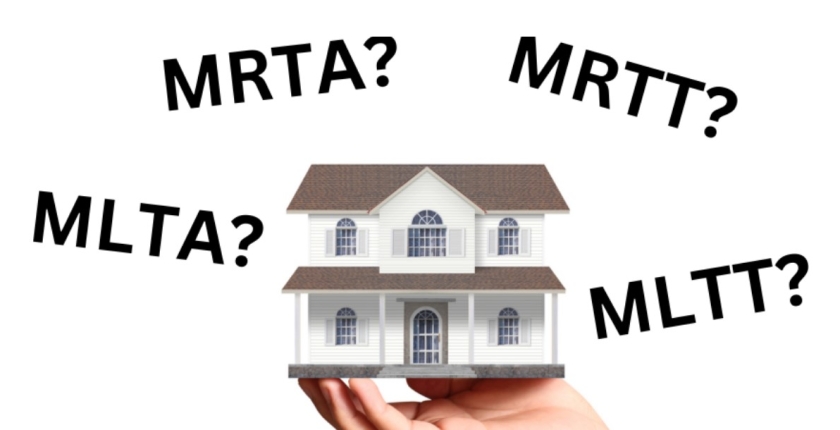
Do you know what is the difference between MRTA & MLTA?
✅ MRTA
- Reducing sum assured (matches mortgage balance)
- One-time premium (may add to loan + interest)
- Payout → Bank
- No cash value | Tied to single loan (invalid on refinance)
- Lower cost | For basic mortgage coverage only
✅ MLTA
- Fixed sum assured (Whole term)
- Premium → Monthly/annual (no extra interest)
- Payout → Nominated beneficiaries
- Cash value (accumulates/withdrawable) | Flexible (refinance/new property)
- Higher cost | For family protection + savings
💡 Choice Tip
MRTA = Tight budget, no refinance plan
MLTA = Family focus, future refinance/buy property, want savings
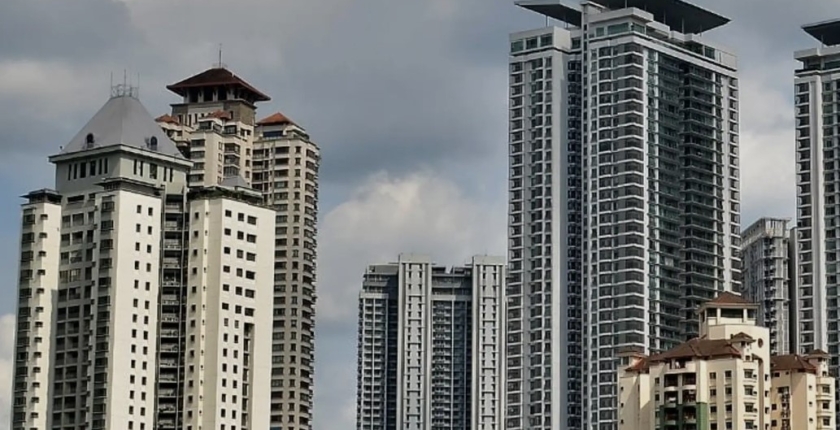
Fire Insurance Valuation is the determination of the Reinstatement Value —
the actual cost required to rebuild a building to its original condition after a fire.
⚠ It is not the same as market value or sale price.
WHY IS IT CRITICAL IN MALAYSIAN CONTEXT?
Modern high-rise buildings contain a very high concentration of asset value, including:
• Hundreds of residential or office units
• Mechanical & Electrical systems (lifts, HVAC, sprinklers, generators)
• Modern façades and complex structures
• Basement parking and common property
➡ A single fire incident can result in losses amounting to millions of ringgit.
KEY RISK: UNDERINSURANCE
Without professional valuation, common risks include:
• Construction costs not updated
• Insurance based on market value
• Construction cost inflation ignored
• Demolition costs and professional fees not included
Legal & Financial Implications:
➡ Claims may be reduced under the Average Clause.
THE TRUE COST OF FIRE (HIGH-RISE BUILDINGS)
Damage is not limited to the structure alone:
• Smoke and firefighting water damage
• Lift, electrical and IT systems
• Fire and security systems
• Phased cleaning and reinstatement works
➡ Costs increase exponentially, not linearly.
LEGAL COMPLIANCE & GOVERNANCE
Valuation supports compliance with:
• Strata Management Act 2013
• Commissioner of Buildings (COB) requirements
• Responsibilities of JMB / MC
• Financial institution financing conditions
➡ Adequate insurance coverage is a statutory responsibility.
MIXED-USE BUILDINGS = MULTIPLIED RISK
Modern developments typically comprise: Retail | Office | Hotel | Residential | Parking
Each component has:
• Different fire loads
• Distinct risk profiles
• Unique reinstatement costs
➡ General estimates are not suitable for insurance purposes.
MALAYSIA CONSTRUCTION COST INFLATION
Driven by:
• Rising building material prices
• Shortage of skilled labour
• Regulatory compliance requirements
• Dependence on imported materials
➡ Valuations conducted 3–5 years ago may no longer be relevant.
MARKET VALUE VS INSURANCE VALUE
| Type of Value | Used for Fire Insurance |
| Market Value | ❌ No |
| Investment Value | ❌ No |
| Auction Value | ❌ No |
| Reinstatement Value | ✅ Yes |
PARTIES PROTECTED
Owners • JMB / MC • Developers • Banks • Tenants • Investors • Authorities
➡ A tool for risk governance and asset protection.
In Malaysia’s increasingly vertical and dense urban environment, accurate fire insurance valuation is critical to preventing major financial losses, ensuring legal compliance, and managing asset risks effectively.
Looking to ensure your building is adequately protected?
Engage qualified professionals for an accurate Fire Insurance Valuation that safeguards your assets, supports compliance, and gives stakeholders peace of mind.
Contact us to learn more.
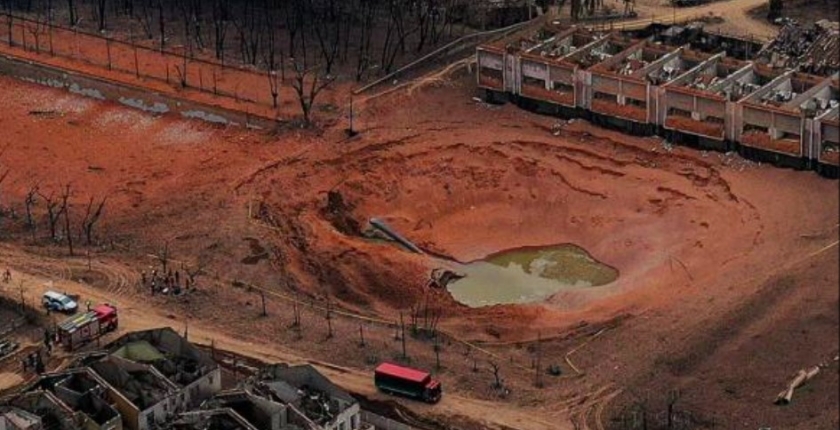
Protecting high-value properties and assets requires more than basic insurance. A comprehensive policy structure helps mitigate financial loss arising from unexpected events, operational risks, and external threats. Below are the three key components commonly involved in Fire and Miscellaneous insurance coverage.
1. Fire Policy – Standard Fire Perils
This is the foundation of property insurance protection. It covers essential risks such as fire, lightning, explosion, and impact damage caused by aircraft or external objects. Standard Fire Policies are designed to protect buildings and insured contents against sudden and accidental physical loss.
2. Fire Policy – Special Perils
Special Perils provide extended protection beyond standard fire risks. This includes natural disasters such as storms, floods, landslides, earthquakes, and volcanic eruptions, as well as human and social risks like riots, strikes, malicious damage, and operational accidents. These perils typically require additional endorsements but are crucial for comprehensive risk management.
3. Miscellaneous Classes
Miscellaneous insurance classes offer flexible and specialised protection tailored to specific needs. Coverage may include Burglary and Theft Insurance, All Risks Insurance, Money Insurance, Glass Insurance, Fidelity Guarantee, Plate Glass, and Contractors All Risks (CAR). These policies are often used to safeguard valuable assets, equipment, cash flow, and business operations.
For property owners and businesses seeking reliable and comprehensive insurance protection, selecting the right coverage is essential. Our team provides expert guidance and tailored insurance solutions to ensure your assets, properties, and business operations are well protected against unforeseen risks.
📩 Contact us today to learn more about the most suitable Fire, Special Perils, and Miscellaneous insurance coverage for your needs.

In Malaysia’s commercial burglary insurance, First Loss Basis and Full Value Basis (Full Theft Loss) are two core sum-insured approaches, with distinct risk assumptions, coverage rules, and premiums.
Key Differences
| Feature | First Loss Basis | Full Value Basis (Full Theft Loss) |
| Risk Scenario | Total theft of all insured items is impossible (e.g., large warehouse stock, fixed assets) | Total theft of all insured items is possible (e.g., small shop, high-value portable goods) |
| Sum Insured | Based on maximum probable single loss (not full total value); no Average Clause penalty for under-insuring the total | Based on highest total value at risk; must be adequate to avoid Average Clause (partial payout if under-insured) |
| Premium | Lower, calculated on the first-loss limit (not full value) | Higher, calculated on the full total value at risk |
| Claim Payout | Up to the first-loss limit only (excess loss self-insured) | Up to the sum insured (or market value, subject to policy terms) |
Practical Examples (Malaysia)
- First Loss: A hypermarket insures RM200k as first-loss (max likely stolen in one burglary), while total stock is RM2m. Premium is based on RM200k, not RM2m, payout capped at RM200k.
- Full Value: A luxury watch boutique insures RM500k (full stock value). If under-insured to RM300k and all RM500k stock is stolen, the Average Clause applies: payout=(300k/500k) × 500k=RM300k.
Eligibility & Tips
- First Loss is often capped at ≤25% of total property value by insurers in Malaysia (varies by policy).
- Full Value requires accurate valuation (e.g., monthly stock declarations for seasonal businesses) to avoid under-insurance penalties.
- Choose First Loss if theft of your entire inventory is logistically unfeasible; choose Full Value if your goods are highly portable and vulnerable to total theft.

In Malaysia, the 5% retention sum (also known as the stakeholder sum) is held by the developer’s solicitor specifically to protect you against unrectified defects.
If the developer fails to repair defects within the 30-day period stipulated in your Sale and Purchase Agreement (SPA), you must act formally to prevent the solicitor from releasing those funds.
1. Check Your Timeline
Under the standard HDA (Housing Development Act) agreement (Schedule G or H):
* Developer's Window: They have 30 days to fix defects after receiving your written notice.
* Retention Release: The 5% is usually released in two stages: 2.5% after 8 months and the remaining 2.5% after 24 months (at the end of the Defect Liability Period).
2. How to Notify the Solicitor
To "uphold" or freeze the 5%, you must send a Formal Notice of Non-Rectification to the developer's solicitor (the stakeholder).
The notification should include:
* Reference: Your Unit Number, Project Name, and SPA Date.
* Proof of Notice: Attach a copy of the original defect list/complaint form submitted to the developer and proof of delivery (e.g., Acknowledged Receipt or Courier Slip).
* The Breach: State clearly that the 30-day period has lapsed and the defects remain unrepaired.
* The Instruction: Formally instruct the solicitor not to release the 5% retention sum (or the relevant portion) until the defects are certified as repaired by an architect or until further notice.
3. Your Right to Self-Repair (The "Deduct" Strategy)
If you don't want to wait forever, the SPA allows you to take matters into your own hands:
* Get a Quote: Hire an independent contractor to provide an estimate for the repairs.
* Give Final Notice: Send a letter to the developer giving them a final 14-day notice of your intention to carry out the repairs yourself if they fail to do so.
* Execute & Claim: Once you fix it, send the actual invoice/receipt to the solicitor. Under the SPA, the solicitor is then authorized to pay you directly from the 5% retention sum and release only the remaining balance to the developer.
4. Summary Table: Steps to Protect Your Money
1) Send original Defect List in writing to Developer
2) Wait 30 days for them to repair.
3) If unrepaired, send "Letter of Dispute" to Stakeholder / Developer’s Solicitor
4) Send 14-day "Intent to Self-Repair" notice to Developer & Solicitor
5) Submit repair bills for reimbursement from the 5% to Solicitor
* Important Note: If the developer and solicitor ignore your notices, your next step is to file a claim with the Tribunal for Homebuyer Claims (for claims up to RM50,000). This is a fast and cost-effective way to get a legally binding order.
